
Are you unsure which kitchen sink will truly meet your needs and last for years? Many homeowners and chefs make costly mistakes by choosing sinks that look good but fail in durability, hygiene, or functionality. Stainless steel kitchen sinks have grown in popularity across Kenya for their resilience and modern appeal, yet buyers often overlook key factors before purchasing. Understanding what to look for can save you time, money, and frustration.
What Are Stainless Steel Kitchen Sinks
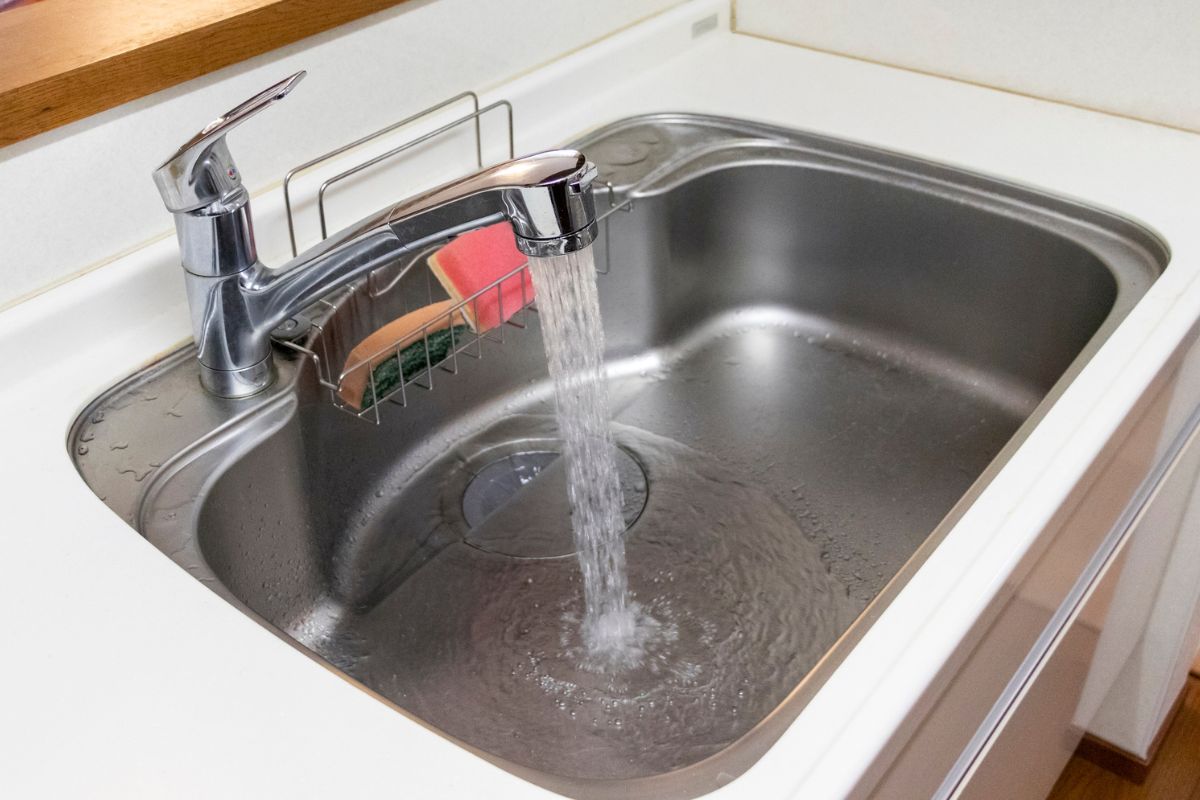
Stainless steel kitchen sinks have become the top choice for Kenyan homes and commercial kitchens because they combine durability, hygiene, and modern design. Many buyers are often unsure what sets these sinks apart from other materials or how to select one that truly fits their kitchen needs. Knowing their material composition, practical applications, and advantages is essential for making a confident purchase decision:
1. Definition and Material Composition
Stainless steel kitchen sinks are made from a blend of iron, carbon, and chromium, sometimes with small amounts of nickel. This combination gives the sink its resistance to rust, corrosion, and stains while maintaining a sleek, modern appearance. The steel is often treated to improve durability and finish, making it suitable for both heavy daily use and delicate home environments. Buyers who invest in stainless steel kitchen sinks in Kenya enjoy equipment that withstands heat, moisture, and long-term wear without losing performance.
2. Common Applications in Modern Kitchens
These sinks are versatile and used in both residential and commercial settings. In homes, they serve as primary washing and prep stations, while in restaurants and hotels they are essential for high-volume food preparation and cleaning. Stainless steel kitchen sinks in Kenya are compatible with countertops, integrated units, and modular kitchen designs, making them a practical choice for any layout. People who choose these sinks appreciate their adaptability across different kitchen workflows.
3. Why Stainless Steel Is Widely Preferred
Stainless steel kitchen sinks are favored for their combination of functionality and style. They are easy to clean, non-porous, and resistant to bacteria, which is especially important in busy kitchens. The modern metallic finish complements a wide variety of interior designs, from contemporary to classic. Those who buy stainless steel kitchen sinks in Kenya find that these sinks offer long-term reliability, low maintenance, and a professional look that other materials cannot match.
Stainless Steel Grades Used in Kitchen Sinks
Not all stainless steel kitchen sinks are created equal—different grades offer varying levels of durability, corrosion resistance, and price. Understanding these differences is crucial for anyone planning to buy stainless steel kitchen sinks in Kenya, whether for a home or commercial kitchen. Choosing the right grade ensures you get the best performance and longevity:
1. Understanding 304 Stainless Steel
Grade 304 is the most common stainless steel used in kitchen sinks. It provides excellent corrosion resistance, is durable, and maintains a polished finish over time. This grade is suitable for most home kitchens and moderate commercial use, making it a reliable choice for everyday tasks. People who buy stainless steel kitchen sinks in Kenya often select 304 because it balances cost, performance, and aesthetics effectively.
2. Understanding 316 Stainless Steel
Grade 316 stainless steel offers higher corrosion resistance than 304 due to the addition of molybdenum. This makes it ideal for coastal areas, high-humidity environments, or kitchens exposed to aggressive cleaning agents. Sinks made from 316 steel are less likely to rust or stain over time, which is why professional kitchens and high-end homes often choose it. Those who buy stainless steel kitchen sinks in Kenya and prioritize longevity and resilience often opt for 316 grade.
3. How Steel Grades Affect Durability and Cost
The steel grade directly impacts both the durability and price of the sink. While 316 offers superior resistance and a longer lifespan, it is generally more expensive than 304. Choosing the right grade depends on your kitchen’s specific conditions, usage frequency, and budget. Buyers who understand how steel grades affect performance can make smarter, cost-effective decisions when they buy stainless steel kitchen sinks in Kenya.
Factors to Consider When Buying Stainless Steel Kitchen Sinks
Buying the right stainless steel kitchen sinks in Kenya requires careful thought. Many people make mistakes by choosing based solely on appearance or price, overlooking critical elements like material grade, size, and installation type. Understanding these factors ensures that your sink is durable, functional, and perfectly suited for your kitchen:
1. Thickness and Gauge of Stainless Steel
The thickness and gauge of stainless steel significantly influence the durability, sound, and overall performance of a sink. Many buyers overlook this aspect when shopping, which can lead to dents, noise, and a shorter lifespan. Understanding what gauge means and how thickness affects strength helps you make a smart choice when you buy stainless steel kitchen sinks in Kenya:
a. What Gauge Means in Stainless Steel
The gauge of stainless steel refers to the thickness of the metal, with a lower gauge number indicating a thicker, stronger sheet. Most kitchen sinks range from 16 to 22 gauge, with 16–18 being ideal for commercial or high-use kitchens and 20–22 suitable for home kitchens. A higher gauge (thinner steel) may dent or warp more easily under heavy use, while a lower gauge provides better durability and resistance. Buyers who understand gauge are better equipped to select a sink that matches their usage needs.
b. Ideal Thickness for Home and Commercial Kitchens
Home kitchens generally benefit from sinks in the 20–22 gauge range, offering a good balance between cost and performance. Commercial kitchens, which experience high-volume washing and food prep, require thicker 16–18 gauge stainless steel kitchen sinks to withstand constant use. Selecting the appropriate thickness ensures your sink remains sturdy, maintains its shape, and continues to perform efficiently for years. People who buy stainless steel kitchen sinks in Kenya find that considering thickness upfront avoids early replacement costs.
c. Impact on Strength, Noise, and Longevity
Thicker stainless steel not only improves strength but also reduces noise from running water and dish handling. Sinks made from higher gauge steel are less prone to vibrations, providing a quieter, more professional kitchen environment. Durability and long-term resistance to dents and scratches also improve with proper thickness. Buyers who pay attention to gauge and thickness when they buy stainless steel kitchen sinks in Kenya enjoy enhanced longevity and a superior user experience.
2. Sink Size, Depth, and Bowl Configuration
Selecting the right size, depth, and bowl configuration is crucial for both functionality and comfort in the kitchen. Many buyers overlook how these factors impact workflow, cleaning efficiency, and overall usability. Understanding these elements helps you choose stainless steel kitchen sinks that fit your kitchen layout and daily needs:
a. Choosing the Right Sink Size
The size of your sink should match both your countertop space and the volume of kitchen tasks you handle daily. Larger sinks are ideal for commercial kitchens or families who cook frequently, allowing for easy washing of pots, pans, and baking trays. Smaller sinks may suffice for compact home kitchens but can limit functionality. Buyers who consider size carefully when they buy stainless steel kitchen sinks in Kenya ensure their kitchen remains efficient and clutter-free.
b. Single Bowl vs Double Bowl Sinks
Single bowl sinks offer more uninterrupted space for washing large items, making them ideal for deep pots and pans. Double bowl sinks provide the flexibility to separate tasks, such as washing dishes in one bowl while prepping food in the other. Choosing between single and double bowls depends on your kitchen’s workflow, cleaning habits, and space availability. People who buy stainless steel kitchen sinks in Kenya weigh these options carefully to maximize convenience.
c. Depth Considerations for Daily Use
Sink depth affects both ergonomics and water capacity. Deeper sinks allow for washing large pots and minimize splashing, but very deep sinks may strain the back during daily use. Shallow sinks are easier on posture but may require more frequent emptying. Those who buy stainless steel kitchen sinks in Kenya consider the balance between depth, comfort, and usability to ensure optimal daily performance.
3. Visual Buying Guide for Stainless Steel Kitchen Sinks
Choosing the right stainless steel kitchen sinks can feel overwhelming with so many options, sizes, and gauges available. A visual guide simplifies the process, helping buyers quickly compare features and understand which sink fits their kitchen needs best. Using clear benchmarks for gauge, depth, and size ensures you make an informed choice:
a. Gauge Selection Guide
Selecting the appropriate gauge ensures your sink is strong enough for daily use while minimizing noise and vibration. Thicker steel (lower gauge) is ideal for high-traffic kitchens, while slightly thinner steel works well in typical home settings. Visual guides often include charts showing common gauge ranges and their recommended uses. Buyers who follow gauge recommendations when they buy stainless steel kitchen sinks in Kenya can avoid dents, warping, and premature wear.
b. Recommended Sink Depth by Usage
Depth affects both functionality and ergonomics. Deeper sinks are recommended for commercial kitchens or households that regularly wash large pots and trays, while shallower sinks are easier for casual home use. Visual guides often show depth comparisons to help buyers see which option fits their workspace. People who buy stainless steel kitchen sinks in Kenya benefit from considering depth carefully to balance capacity with comfort.
c. Size Guide for Different Kitchen Layouts
Sink size must complement the available countertop space and kitchen workflow. Visual comparisons of small, medium, and large sinks help buyers understand which size suits compact, standard, or expansive kitchens. Choosing the right size ensures optimal efficiency, reduces clutter, and enhances usability. Those who buy stainless steel kitchen sinks in Kenya using a visual size guide make decisions confidently and avoid costly mistakes.
4. Installation Types for Stainless Steel Kitchen Sinks
Selecting the right installation type is essential for both aesthetics and functionality in your kitchen. Different installation methods affect countertop compatibility, ease of cleaning, and overall workflow. Understanding these types helps you choose stainless steel kitchen sinks that fit your space and meet your daily needs:
a. Top-Mount Installation
Top-mount sinks, also known as drop-in sinks, are installed by dropping the sink into a pre-cut countertop hole. The rim rests on the counter, providing easy installation and replacement. They are ideal for homeowners who may want a simple DIY setup or a sink that is easy to upgrade. Buyers who choose top-mount stainless steel kitchen sinks in Kenya appreciate the convenience and cost-effectiveness of this method.
b. Under-Mount Installation
Under-mount sinks are installed beneath the countertop, creating a seamless look and allowing for easy countertop cleaning. This style requires professional installation and a solid countertop material such as granite, quartz, or solid surface. They are popular in modern kitchens because of their sleek appearance and improved hygiene. People who buy stainless steel kitchen sinks in Kenya often select under-mount designs for a professional, contemporary kitchen finish.
c. Integrated and Flush-Mount Options
Integrated or flush-mount sinks are installed so the sink and countertop form a continuous surface. This installation provides a minimalistic look and superior ease of cleaning, as there are no raised edges for debris to collect. These sinks are often customized to fit specific countertops and require precise installation. Buyers who invest in stainless steel kitchen sinks in Kenya with integrated or flush-mount designs gain both style and functional efficiency.
5. Finish and Design Considerations
The finish and overall design of a sink greatly influence both its aesthetic appeal and practicality in the kitchen. Choosing the right style can improve durability, ease of cleaning, and complement your kitchen’s interior. Understanding these design elements helps you select stainless steel kitchen sinks that are both functional and visually pleasing:
a. Brushed vs Polished Finishes
Brushed finishes feature fine lines across the surface, giving sinks a matte look that hides scratches and water spots. Polished finishes are shiny and reflective, creating a sleek, modern appearance but requiring more maintenance to prevent visible marks. Both finishes have their advantages depending on kitchen style and maintenance preferences. Buyers who choose stainless steel kitchen sinks in Kenya often weigh the balance between aesthetics and ease of cleaning before making a decision.
b. Scratch Resistance and Visual Appeal
A sink’s finish affects how easily it shows scratches, fingerprints, and water stains. High-quality stainless steel kitchen sinks are designed to resist scratching while maintaining their polished or brushed look. The visual appeal is essential, as the sink is a focal point in many kitchens. People who buy stainless steel kitchen sinks in Kenya prioritize finishes that combine beauty with long-lasting durability.
c. Matching Sink Design with Kitchen Style
The sink should harmonize with countertops, cabinetry, and appliances to create a cohesive kitchen look. Modern kitchens often pair stainless steel kitchen sinks with minimalist or industrial designs, while traditional kitchens may opt for simpler, matte finishes. Selecting a design that complements your kitchen ensures both functionality and aesthetics. Buyers who invest in stainless steel kitchen sinks in Kenya carefully consider style to enhance the overall kitchen experience.
6. Noise Reduction and Insulation Features
Stainless steel kitchen sinks are naturally prone to noise due to water impact and dish handling, which can be disruptive in busy kitchens. Many buyers overlook the importance of noise reduction and insulation, yet these features greatly enhance comfort and usability. Understanding the available noise control options helps you select stainless steel kitchen sinks that provide both performance and a quieter cooking environment:
a. Sound-Deadening Pads
Sound-deadening pads are adhesive layers applied to the underside of sinks to absorb vibrations. These pads reduce the clatter of running water and the impact of pots and pans. Many modern stainless steel kitchen sinks in Kenya come with pre-installed pads, making them quieter and more pleasant to use. Buyers who pay attention to sound-deadening features experience a calmer, more professional kitchen environment.
b. Undercoating and Insulation Layers
Undercoating involves applying an extra layer of material, often rubber or foam, beneath the sink to dampen noise further. Insulated sinks may also incorporate a thicker stainless steel gauge combined with undercoating for maximum sound reduction. These features are particularly beneficial in households or commercial kitchens where multiple sinks are in use simultaneously. People who buy stainless steel kitchen sinks in Kenya often prioritize insulation for both comfort and longevity.
c. Why Noise Control Matters in Daily Use
Excessive noise from sinks can create a disruptive and stressful kitchen environment. Proper noise reduction allows for smoother multitasking, whether cooking, washing, or prepping food. It also contributes to the overall perception of quality and professionalism in the kitchen. Buyers who consider noise control when they buy stainless steel kitchen sinks in Kenya enjoy a more comfortable and enjoyable kitchen experience.
Environmental and Local Considerations for Stainless Steel Kitchen Sinks in Kenya
When buying stainless steel kitchen sinks in Kenya, local environmental and usage factors can greatly impact durability, maintenance, and performance. Many buyers focus solely on design or price, overlooking conditions like water quality, climate, and daily kitchen routines. Understanding these local considerations ensures you select a sink that lasts longer and performs optimally:
1. Water Quality and Hardness
Kenya’s water varies in mineral content depending on the region. Hard water, rich in calcium and magnesium, can leave deposits on stainless steel surfaces, causing spots and discoloration over time. Choosing a high-grade stainless steel kitchen sink and following proper cleaning routines helps mitigate these effects. Buyers who account for water quality when purchasing stainless steel kitchen sinks in Kenya protect their investment and maintain hygiene.
2. Climate and Humidity Effects
Regions with high humidity or coastal areas can accelerate corrosion if the sink grade is not properly chosen. Thicker stainless steel or higher grades like 316 are recommended in such environments for superior rust resistance. Understanding climate impacts ensures that your sink remains functional and visually appealing for years. Those who consider climate when buying stainless steel kitchen sinks in Kenya make smarter, long-lasting choices.
3. Local Usage Patterns and Kitchen Design
Daily cooking frequency, type of cuisine, and kitchen layout influence the ideal sink size, depth, and bowl configuration. Homes with heavy cooking or larger families may require deeper or double-bowl sinks, while smaller households may prefer compact options. Aligning sink choice with local usage patterns ensures convenience, efficiency, and durability. Buyers who consider these practical aspects when purchasing stainless steel kitchen sinks in Kenya enjoy better functionality and satisfaction.
4. Water Treatment and Filtration Practices
In some areas, water treatment or filtration systems may be used to reduce hardness or chemical content. Installing sinks with corrosion-resistant finishes is especially important if water is untreated or contains higher chlorine levels. Buyers who account for water treatment practices when buying stainless steel kitchen sinks in Kenya maintain both performance and aesthetic appeal.
5. Local Maintenance Norms
Cultural practices around cleaning frequency, detergent usage, and kitchen upkeep can affect the sink’s lifespan. Educating buyers about appropriate maintenance helps prolong durability. People who adapt maintenance routines to local norms when buying stainless steel kitchen sinks in Kenya experience longer-lasting, cleaner, and safer sinks.
Home vs Commercial Stainless Steel Kitchen Sinks Comparison
Choosing between home and commercial stainless steel kitchen sinks requires understanding how usage intensity, size, durability, and hygiene standards differ. Home kitchens usually handle lighter daily use, while commercial kitchens manage high-volume washing, prep, and cleaning tasks. Comparing these factors helps buyers select stainless steel kitchen sinks that perfectly suit their specific needs:
1. Usage Intensity and Durability Requirements
Home kitchens require sinks that handle regular cooking and dishwashing but are not subjected to continuous heavy use. Commercial kitchens demand sinks that withstand constant washing, heat, and heavy pots without denting or warping. Stainless steel kitchen sinks for commercial use are usually made from thicker gauges and higher-quality steel grades to ensure longevity. Buyers who understand usage demands when choosing sinks in Kenya can avoid premature damage and costly replacements.
2. Size, Depth, and Bowl Configuration Differences
Home sinks are often smaller and may feature single or double bowls depending on kitchen layout and family needs. Commercial sinks are generally larger, deeper, and may include multiple bowls to handle various tasks simultaneously. These differences impact workflow efficiency and cleaning convenience. Buyers who compare size, depth, and bowl configuration when buying stainless steel kitchen sinks in Kenya can ensure the sink fits both space and functional requirements.
3. Hygiene and Maintenance Needs
Commercial kitchens must meet strict hygiene standards, requiring sinks that are easy to clean and maintain. Home sinks benefit from easy cleaning too, but daily intensity is lower. Stainless steel kitchen sinks in Kenya for commercial use often include undercoating, rounded corners, and corrosion-resistant finishes for maximum hygiene. Those who prioritize cleaning ease and hygiene enjoy safer, longer-lasting sinks.
4. Compliance with Industry Standards
Commercial kitchens often need sinks that comply with food safety and sanitation regulations. Features such as NSF-certified finishes and high-grade steel ensure compliance. Home kitchens rarely have formal compliance requirements but still benefit from sinks that resist bacteria and stains. Buyers who consider compliance when buying stainless steel kitchen sinks in Kenya can avoid regulatory issues in professional settings.
5. Installation and Countertop Compatibility
Home sinks may be installed as top-mount or under-mount depending on style and countertop material. Commercial sinks often require precise under-mount or integrated installation for durability and workflow efficiency. Considering installation early ensures the sink fits both space and intended usage. Buyers who account for installation requirements when they buy stainless steel kitchen sinks in Kenya avoid costly retrofits and adjustments.
6. Cost and Long-Term Value
Home sinks are usually priced for moderate daily use, while commercial sinks may be more expensive upfront due to thicker steel and additional features. However, commercial-grade sinks offer superior longevity and performance under heavy use. Understanding cost versus long-term value helps buyers make smarter, more cost-effective decisions. Those who consider both price and durability when buying stainless steel kitchen sinks in Kenya get maximum return on investment.
Maintenance and Long-Term Care for Stainless Steel Kitchen Sinks
Proper maintenance is key to ensuring your stainless steel kitchen sinks remain durable, hygienic, and visually appealing for years. Many buyers underestimate the importance of regular cleaning, scratch prevention, and proper care, which can lead to premature wear and staining. Understanding the best practices for upkeep allows you to maximize both the lifespan and performance of your sink:
1. Daily Cleaning Practices
Cleaning your sink daily prevents the buildup of grime, grease, and water spots. Use a soft sponge or cloth with mild dish soap to wipe the sink surface. Avoid harsh chemicals that can damage the finish. Buyers who follow daily cleaning routines when they buy stainless steel kitchen sinks in Kenya maintain a shiny, hygienic surface that is safe for food preparation.
2. Preventing Scratches and Abrasions
Avoid using steel wool or abrasive pads, which can scratch the sink surface. Place rubber mats or sink grids at the bottom to protect against heavy pots and sharp utensils. Selecting sinks with thicker gauges also reduces scratch susceptibility. Those who take steps to prevent scratches when they buy stainless steel kitchen sinks in Kenya enjoy a longer-lasting, aesthetically pleasing finish.
3. Minimizing Water Spots and Stains
Dry the sink after each use to prevent water spots caused by minerals in the water. For stubborn stains, use a mixture of baking soda and water or a specialized stainless steel cleaner. Regular maintenance reduces discoloration and keeps the sink looking new. Buyers in Kenya who follow these practices extend the visual appeal and hygiene of their stainless steel kitchen sinks.
4. Proper Use of Cleaning Agents
Avoid bleach or harsh chemical cleaners that can corrode stainless steel. Instead, opt for mild soaps or dedicated stainless steel cleaners. Always rinse thoroughly after cleaning to remove any residue. People who buy stainless steel kitchen sinks in Kenya benefit from following correct cleaning protocols to maintain performance and prevent corrosion.
5. Preventing Rust and Corrosion
Even high-grade stainless steel can develop rust if exposed to certain chemicals or left wet for long periods. Wipe down the sink after use, and immediately clean spills from salt, acidic foods, or strong detergents. Buyers who proactively protect their stainless steel kitchen sinks in Kenya prevent corrosion and ensure long-term reliability.
6. Extending the Lifespan of the Sink
Combine all these maintenance strategies—daily cleaning, scratch prevention, careful chemical use, and drying—to maximize the life of your sink. Periodically check for loose fittings, undercoating damage, or signs of wear to address problems early. Those who follow these practices when they buy stainless steel kitchen sinks in Kenya enjoy a durable, functional, and attractive kitchen centerpiece for years to come.
Cost, Value, and Budget Considerations for Stainless Steel Kitchen Sinks
When buying stainless steel kitchen sinks in Kenya, understanding cost and value is critical. Many buyers focus only on the price tag and overlook long-term performance, durability, and maintenance costs. Considering all financial aspects ensures you make a wise, cost-effective investment:
1. Price Ranges in the Market
Stainless steel kitchen sinks come in a variety of price points depending on gauge, size, brand, and finish. Home sinks are generally more affordable, while commercial-grade sinks are priced higher due to thicker steel and advanced features. Comparing options across reputable suppliers helps buyers identify sinks that meet both quality and budget requirements. Those who carefully evaluate price ranges when they buy stainless steel kitchen sinks in Kenya make informed, confident purchases.
2. Cost vs Long-Term Value
A higher upfront cost often translates into greater durability, reduced maintenance, and longer lifespan. Cheaper sinks may save money initially but can incur replacement costs sooner. Buyers who focus on long-term value when buying stainless steel kitchen sinks in Kenya often find that investing in quality saves money and stress over time.
3. Avoiding Cheap, Low-Quality Options
Sinks made from low-grade steel or thin gauges may dent, corrode, or warp quickly. Such options often lack proper finishes and insulation, resulting in poor performance. By avoiding these low-quality choices, buyers protect their investment and ensure reliable daily use. People who buy stainless steel kitchen sinks in Kenya prioritize durability and finish over short-term savings.
4. Comparing Features Relative to Price
Consider additional features such as sound-deadening pads, undercoating, and multi-bowl configurations when evaluating cost. Sometimes slightly higher-priced sinks offer features that improve usability, hygiene, and longevity. Buyers who weigh features relative to price when buying stainless steel kitchen sinks in Kenya get better overall value.
5. Budget Planning for Installation and Accessories
The cost of the sink itself is only part of the total investment. Under-mount installation, plumbing, and accessories like cutting boards or grids should be factored into your budget. Proper planning ensures buyers in Kenya avoid unexpected expenses when installing their stainless steel kitchen sinks.
Common Mistakes to Avoid When Buying Stainless Steel Kitchen Sinks in Kenya
Even experienced buyers can make errors when choosing stainless steel kitchen sinks in Kenya, leading to poor performance, premature wear, or costly replacements. Many focus on looks or price alone, ignoring critical factors like steel grade, installation type, and maintenance needs. Recognizing these common mistakes helps you make informed decisions and get the best value:
1. Choosing Price Over Quality
Many buyers prioritize low prices, assuming all stainless steel kitchen sinks perform similarly. Cheap sinks often use thinner gauges or lower-grade steel, which can dent, warp, or corrode quickly. Investing in a quality sink may cost more upfront but saves money and hassle over time. People who avoid prioritizing price over quality when buying stainless steel kitchen sinks in Kenya enjoy durability, better hygiene, and long-term satisfaction.
2. Ignoring Steel Grade and Gauge
The steel grade and thickness determine corrosion resistance, strength, and noise levels. Selecting a low-grade steel or thin gauge may lead to rust, dents, and excessive vibration. Understanding 304 vs 316 steel and the ideal gauge for your usage is crucial. Buyers who consider these technical specifications when buying stainless steel kitchen sinks in Kenya make smarter, long-lasting choices.
3. Overlooking Installation Requirements
Some sinks require specific countertop types or professional installation methods, such as under-mount or flush-mount designs. Ignoring these requirements can result in poor fit, leaks, or difficult maintenance. Planning installation ahead ensures compatibility and avoids extra costs. Those who account for installation when buying stainless steel kitchen sinks in Kenya experience a smoother setup and better long-term performance.
4. Neglecting Local Environmental Factors
Failing to consider water hardness, humidity, or coastal conditions can shorten the sink’s lifespan. High-quality stainless steel and proper maintenance mitigate these risks. Buyers who factor in local environmental conditions when buying stainless steel kitchen sinks in Kenya avoid corrosion and maintain hygiene.
5. Choosing the Wrong Size or Configuration
Selecting a sink that’s too small, too shallow, or the wrong bowl configuration can hamper kitchen workflow. It’s important to match sink dimensions to kitchen layout and daily usage. People who carefully measure and choose the right size when buying stainless steel kitchen sinks in Kenya ensure functionality and efficiency.
6. Skipping Maintenance Planning
Even high-quality sinks require proper cleaning and care to stay in top condition. Ignoring maintenance routines can lead to stains, scratches, and reduced lifespan. Buyers who plan maintenance strategies when buying stainless steel kitchen sinks in Kenya protect their investment and preserve the sink’s appearance and performance.
7. Ignoring Noise and Insulation Features
Many sinks can be noisy without sound-deadening pads or undercoating. Excessive noise can make daily kitchen tasks unpleasant. Considering noise reduction when buying stainless steel kitchen sinks in Kenya ensures a calmer, more enjoyable cooking environment.
8. Overlooking Finish and Design Compatibility
Choosing a finish that clashes with countertops, cabinetry, or appliances can affect your kitchen’s aesthetics. Brushed and polished finishes each have pros and cons depending on cleaning ease and visual appeal. Buyers who match sink design to their kitchen style when purchasing stainless steel kitchen sinks in Kenya create a cohesive, professional look.
9. Skipping Warranty and Supplier Verification
Purchasing sinks without checking warranty coverage or supplier credibility can lead to problems if defects arise. Verified suppliers offer reliable support and replacement options. People who verify suppliers when buying stainless steel kitchen sinks in Kenya protect their investment and gain peace of mind.
Frequently Asked Questions About Stainless Steel Kitchen Sinks
Choosing the right stainless steel kitchen sinks Kenya in Kenya can raise many questions, from material quality to installation and maintenance. We’ve compiled the most common questions buyers ask to help you make informed decisions and get the best value for your kitchen. Here are answers to 12 frequently asked questions:
1. What are stainless steel kitchen sinks made of?
Stainless steel kitchen sinks are primarily made from high-grade steel mixed with chromium, nickel, and sometimes molybdenum to enhance durability and corrosion resistance. The steel grade (like 304 or 316) determines its resistance to rust and suitability for daily use. Understanding the material composition helps buyers choose high-quality stainless steel sinks that are long-lasting and hygienic.
2. How do I choose the right gauge for stainless steel kitchen sinks?
The gauge indicates the thickness of the stainless steel—the lower the gauge, the thicker and stronger the sink. Thicker sinks are more resistant to dents, warping, and noise, making them ideal for heavy use in home or commercial kitchens. Buyers who consider gauge when buying stainless steel kitchen sinks in Kenya ensure they get a sink that balances durability, noise control, and cost.
3. What size and bowl configuration should I choose for stainless steel kitchen sinks?
Sink size and bowl configuration depend on your kitchen layout, daily usage, and storage needs. Single bowls are great for compact kitchens, while double or triple bowls allow multitasking in larger kitchens. Buyers who match sink size and configuration to their usage when buying stainless steel kitchen sinks in Kenya enjoy greater efficiency and convenience.
4. Which installation type is best for stainless steel kitchen sinks?
Top-mount, under-mount, and integrated/flush-mount are the main installation options. Each type affects countertop compatibility, cleaning ease, and aesthetics. Choosing the right installation method ensures your durable kitchen sinks in Kenya are both functional and visually appealing. Consulting professionals or suppliers can help make the best choice.
5. How do I prevent scratches and stains on stainless steel kitchen sinks?
Avoid abrasive sponges, steel wool, or harsh chemicals. Using sink grids, soft cloths, and gentle cleaners minimizes scratches and preserves the finish. Regular maintenance also prevents water spots and stains. Buyers who follow these tips when purchasing best stainless steel sinks for kitchens in Kenya maintain both hygiene and aesthetics over time.
6. What finish is best for stainless steel kitchen sinks: brushed or polished?
Brushed finishes hide scratches and water spots better, while polished finishes offer a shiny, modern look but require more maintenance. Your choice should align with kitchen style, cleaning preferences, and durability needs. Considering the finish when buying rust-resistant kitchen sinks in Kenya ensures both practical and aesthetic satisfaction.
7. How do I reduce noise from stainless steel kitchen sinks?
Sinks with sound-deadening pads, undercoating, or thicker steel gauges reduce clatter from water and utensils. Proper installation also plays a role in minimizing noise. Buyers who prioritize noise reduction when buying kitchen sinks for home and commercial use in Kenya enjoy a quieter, more comfortable kitchen environment.
8. How does water quality affect stainless steel kitchen sinks?
Hard water with high mineral content can leave spots and cause corrosion over time. Selecting a high-grade stainless steel and performing regular maintenance protects the sink. People who consider water quality when buying stainless steel kitchen sink in Kenya preserve durability and appearance.
9. Are commercial-grade stainless steel kitchen sinks suitable for home use?
Commercial-grade kitchen sink installation Kenya are thicker, larger, and designed for high-volume use. While they can be installed in homes, consider space, aesthetics, and installation needs. Buyers who evaluate these factors when buying premium stainless steel sinks in Kenya ensure functionality without overpaying for unnecessary features.
10. How do I maintain hygiene and cleanliness in stainless steel kitchen sinks?
Daily cleaning with mild detergents, wiping dry after use, and periodic deep cleaning prevents bacteria buildup. Rounded corners and smooth surfaces enhance hygiene. Those who follow proper cleaning routines when buying rust-resistant kitchen sinks in Kenya enjoy a safe and healthy kitchen environment.
11. What accessories should I consider for stainless steel kitchen sinks?
Sink grids, cutting boards, drainboards, and strainers enhance usability and protect the sink surface. Including accessories ensures efficient workflow and prevents damage. Buyers who invest in accessories when buying a stainless steel kitchen sink in Kenya maximize both convenience and lifespan.
12. Where should I buy stainless steel kitchen sinks in Kenya?
For quality, durability, and professional service, Urban Kitchen Appliances is the best provider in Kenya. We offer a wide range of high-grade premium stainless steel sinks, expert advice, and reliable after-sales support. Our sinks are carefully selected to suit both home and commercial kitchens. Buyers who choose us enjoy peace of mind, superior products, and exceptional customer service when purchasing stainless steel kitchen sinks in Kenya.
Buy Stainless Steel Kitchen Sinks Today with Urban Kitchen Appliances
Upgrade your kitchen with high-quality stainless steel kitchen sinks from Urban Kitchen Appliances. Our sinks combine durability, hygiene, and professional design to suit both home and commercial kitchens in Kenya. Explore our wide range, choose the perfect sink for your needs, and enjoy expert guidance and reliable service. Contact us today or order online to get your ideal stainless steel kitchen sinks delivered to your doorstep.
 No products in the cart.